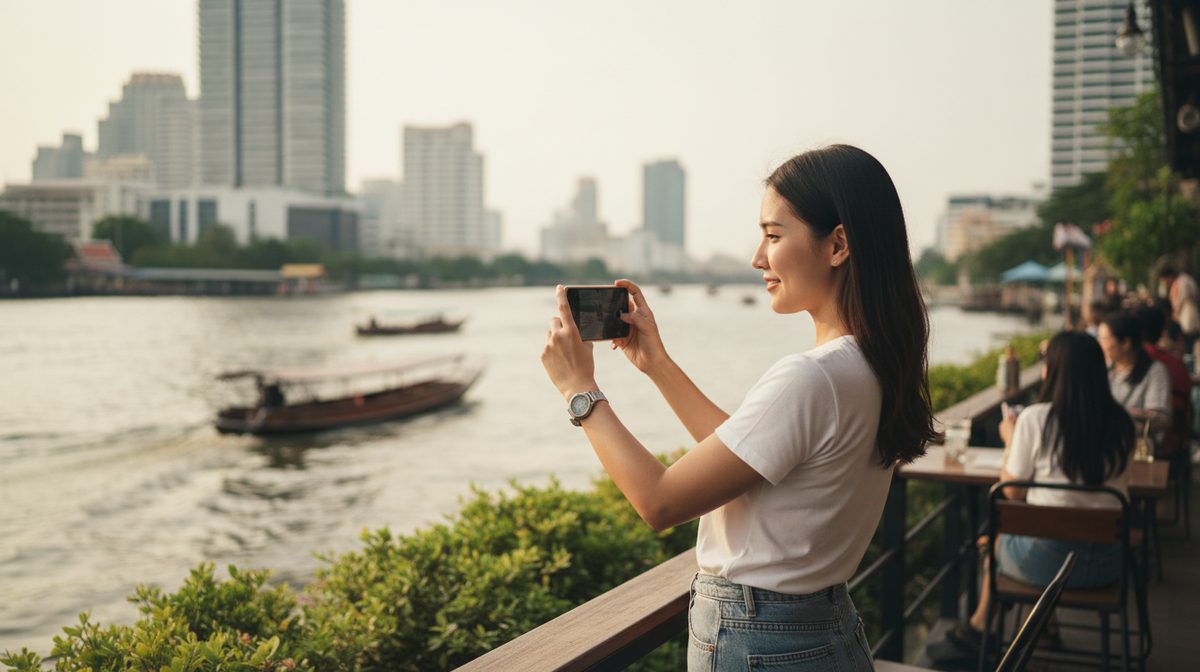
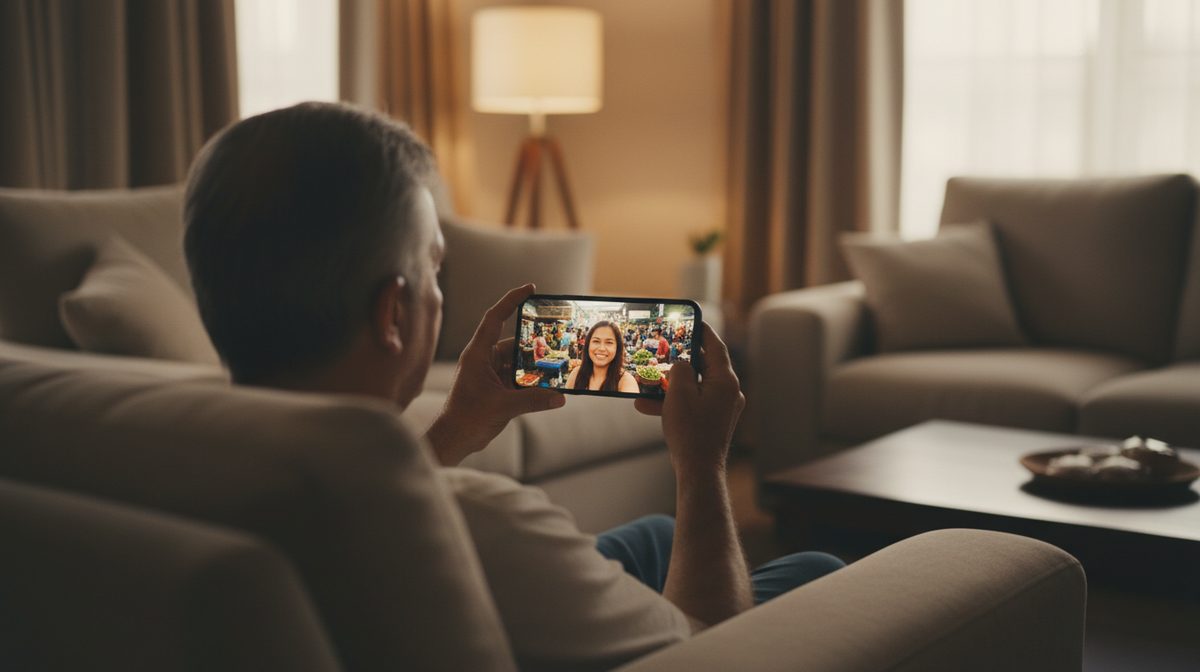
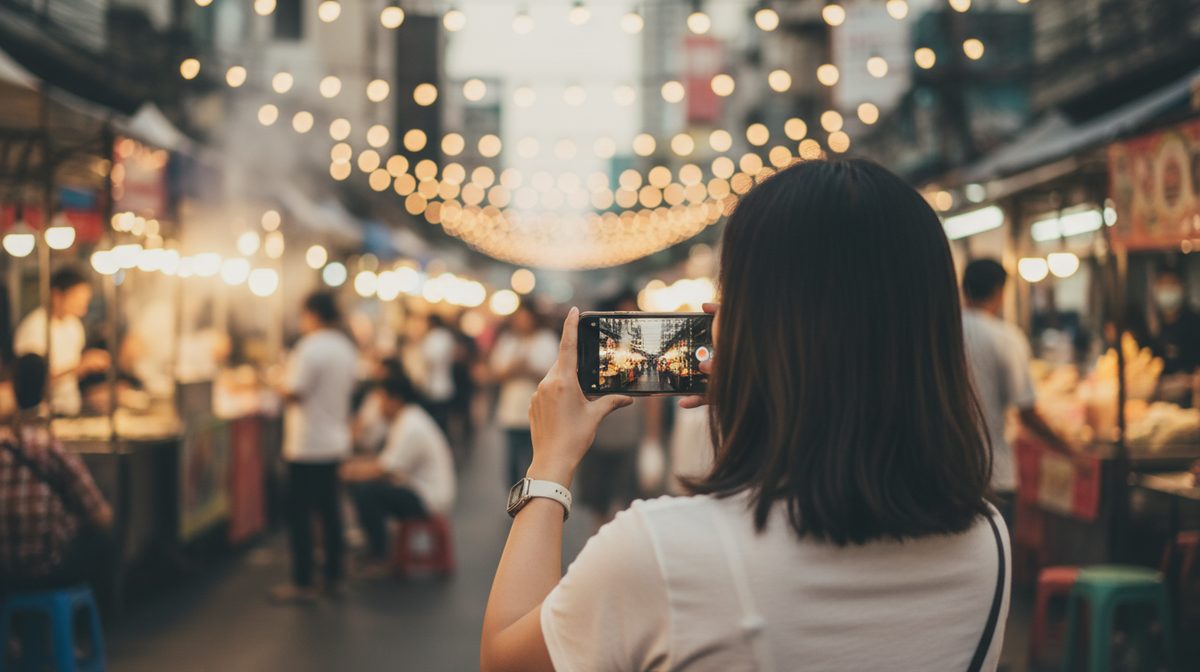
Dating someone from the Philippines: what to know
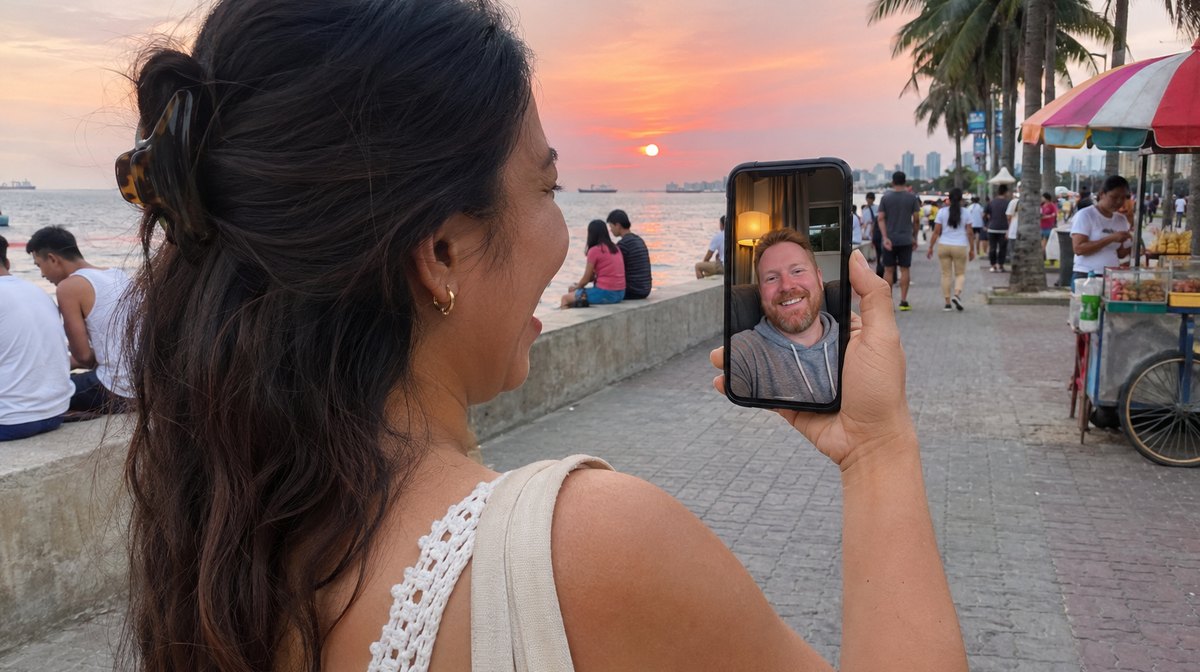
Imagine Andrea, an architect in Manila, on her second date with Sam from Melbourne. It is half past five for her and half past eight in the evening for Sam. She walks him along the promenade on Manila Bay as the sky turns pink, buys a paper cup of fish balls from a cart, and holds the phone up so he can hear the vendor tease her for ordering extra sauce. When a cousin calls halfway through, she answers, introduces Sam in two sentences and promises to call back. Sam has learnt more in that one hour than in weeks of messages.
Dating someone from the Philippines often feels easy from the start: conversation flows, people are warm and there is usually plenty of laughter. Under that ease are values and habits worth understanding, about family, faith, politeness and how people say what they really think. This guide covers what to know before you fly, from culture and language to safety and your first visit.
Start with curiosity
The Philippines is more than 7,000 islands, with dozens of languages and regional cultures, from busy Metro Manila to Cebu, Iloilo and Davao. Someone from a small town in the Visayas may see the world quite differently from someone who grew up in Makati. Treat everything you read, including this guide, as a starting point, and let your match tell you who they are.
Values worth understanding
Family is at the centre
For many Filipinos, family comes first, and “family” often includes grandparents, aunts, uncles and a lot of cousins. Your match may live with their parents until marriage, help support relatives or spend most Sundays at a family lunch. Their family’s opinion can matter a great deal. Showing a genuine interest in the people they love, without pushing to meet them, is a kind thing to do.
A lovely custom to know is the “mano”: younger people greet an older relative by taking their hand and gently pressing the back of it to their forehead, often saying “mano po”. If you are ever introduced to the family, following your match’s lead here will be noticed.
Getting along and saving face
“Pakikisama” describes the wish to get along and keep a group in harmony, and “hiya” a strong sense of propriety and of not embarrassing anyone. In practice, your match may avoid a direct “no”, say “maybe” when they mean “probably not”, or agree to something to avoid an awkward moment. Make it easy for them to be honest. Open questions such as “what would you rather do?” help, and so does never making someone feel foolish in front of others.
Faith and community
Most Filipinos are Catholic, and in Mindanao many are Muslim. For many people, faith shapes weekends, holidays and how they think about relationships. You do not need to share it, but ask about it with respect and do not make light of it.
Language and communication
Filipino and English are both official languages, and English is widely used in school, at work and online. That makes the first conversations easy. Still, many people think, joke and feel in Filipino, Cebuano or another local language, and they mix languages freely (“Taglish”). Speak clearly, go easy on slang and sarcasm, and when a word goes missing in the chat, tap Translate and laugh about it together.
A few words go a long way. “Salamat” means thank you, “kumusta?” means how are you, and “masarap!” means delicious. You will hear “po” and “opo” added to sentences as a mark of respect, especially towards older people. Using them, even clumsily, will earn you smiles.
Getting to know someone in the Philippines for real
Messages and video calls from a bedroom only show so much. In the Philippines, a lot of real life happens out and about: at the mall, in the market, at a carinderia (a small local eatery), on a jeepney ride or by the sea.
On fondly, your match plans a real date in their city at a public place, and you join live by video. A sunset walk on Manila Bay, an afternoon in the old walled city of Intramuros, a food crawl through Binondo, often called the world’s oldest Chinatown. You see how they treat the vendor, how they talk to strangers, what makes them laugh. Those are the first date green flags you only see in real life.
Food is a natural way in. Ask your match to introduce you to their favourite dish, whether that is adobo, sinigang or a tall glass of halo-halo on a hot day, and let them explain why it matters to them.
Time zones work in your favour. The Philippines has no daylight saving time and is eight hours ahead of the UK in winter, seven in summer. It is three hours behind Sydney and Melbourne in the Australian summer, two in winter. A Manila evening is late morning in London or late evening in Melbourne. Our guide to dating across time zones helps you find a rhythm.
Festivals and Christmas
Filipinos love a celebration, and many towns have a fiesta for their patron saint. Some festivals are famous across the country: Sinulog in Cebu and Ati-Atihan in Aklan in January, Panagbenga, the flower festival in Baguio, in February, and MassKara in Bacolod in October.
Christmas deserves its own mention. The season unofficially starts in September, the first of the “ber” months, with carols in the malls and parol star lanterns in windows. Many people attend Simbang Gabi, a series of early morning or evening masses in the nine days before Christmas. Joining a December evening live, with your match explaining what it means to them, makes a date you both remember. Read more about celebrating holidays long distance.
Stay safe
Most people you meet are exactly who they say they are. Romance scams exist in every country, though, and international dating is where they are most common. Be careful if someone avoids live video, rushes into declarations of love, pushes you to move to another app, or asks for money, gifts, or help with a fee or an emergency. Never send money to someone you have only met online. Our guide on how to spot a fake dating profile covers the warning signs.
Safety works both ways. Respect your match’s boundaries and pace, and remember that on fondly they plan the date, choose where it happens and decide who joins.
Planning your first visit to the Philippines
When you have been on several dates and you both feel ready, talk about a visit. Many nationalities can enter the Philippines without a visa for a short stay, but entry rules and online registration requirements change, so check the current requirements for your passport on the official Philippine government or embassy website before you book.
Keep the first meeting simple and public, book your own accommodation and have your own way to get around. Think about the season: December to February is the most comfortable, March to May is hot, and from June to October the rainy season brings storms and the occasional typhoon that can cancel flights. If you are invited to meet the family, it is a meaningful step. Bring a small gift, such as something from home or a box of pastries, and follow your match’s lead. Our guide to meeting someone from another country for the first time covers the rest.
Questions people often ask
What should I know before dating someone from the Philippines?
Family is central, politeness and harmony matter, and people may avoid a blunt “no”. Learn a few words such as “salamat” and “po”, show respect for their family and faith, and take things at your match’s pace. Above all, get to know the person, not an idea of the country.
Do people in the Philippines speak English?
Yes, English is an official language and widely spoken, especially in cities, at work and online. Many people are more at home in Filipino or a regional language, so patience and clear, simple English help.
How important is family when dating a Filipino?
Usually very important. Family often has a say in big decisions, and meeting the family is a serious step. Show interest and respect, and let your match decide when the time is right.
How do I know someone I met from the Philippines is genuine?
The same way as with anyone online: consistency over time, a willingness to be seen live in their own surroundings, and no requests for money. A live date in their city shows you their real life far better than messages or photos.
Know them before you fly
Dating someone from the Philippines is a chance to discover a warm, family-centred culture through someone who calls it home. Be curious, be respectful and be patient. See their world first, share yours too, and when you finally land in Manila, you will already know who is waiting for you. For the bigger picture, read our guide to international dating.